Echoes of the North
with Ragnhild Hemsing, André Lislevand and Jadran Duncumb
Folk dances and courtly music.
Valdres is a long way from Versailles, yet the folk music played on farms in the Norwegian valleys rings like an echo of the Baroque music played at European royal courts. Just ask Ragnhild Hemsing, André Lislevand and Jadran Duncumb, who tune all their strings and draw a bow from Norwegian folk tunes to French and Italian Baroque gems.
Like the folk musicians of Valdres, the masters of the Baroque were performers first and foremost. The Italians Marini and Matteis were violin virtuosos, and Kapsberger a wizard on the lute. Marais played the viola da gamba and Couperin the organ at the court of the Sun King. All of them played their own pieces, dazzling with ornament and improvisation. So did the musicians of Valdres, albeit with fewer wigs in the audience.
Baroque and folk music are both bound up with dance, and in their day bailiff and beggar alike took to the floor. Louis XIV whirled to Marais’s musettes in gilded ballrooms, while somewhere up in the valleys, as the folk tale has it, a young girl named Fanteladda danced herself to death. So perhaps Versailles is not so far after all.
With Echoes of the North, Ragnhild Hemsing presents a new artistic concept that explores encounters between traditions, expressions, and sound worlds in distinct ways.
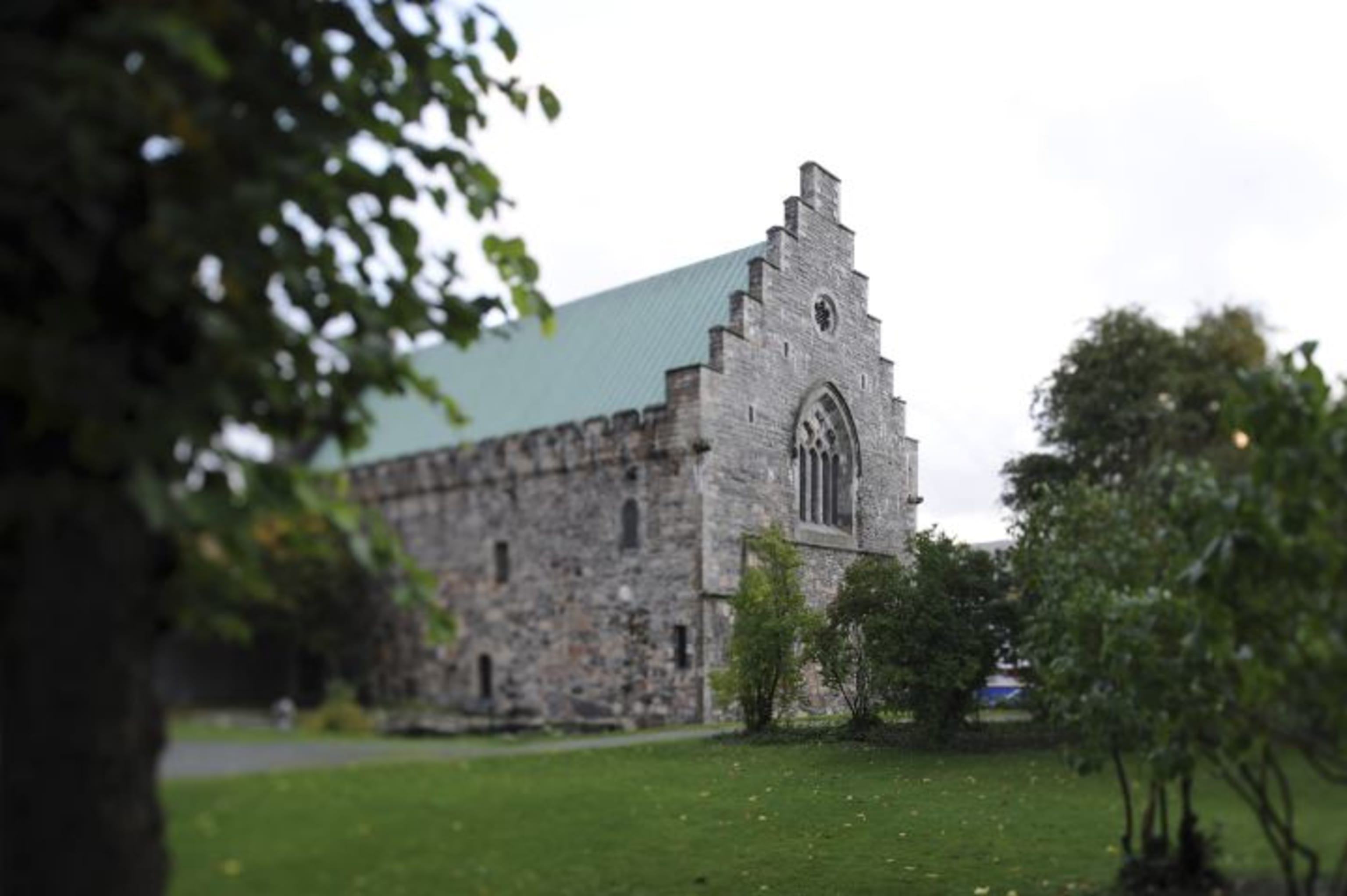
Hardanger fiddle, lute and viol, folk dances and courtly music, all melt into a journey through musical styles in the great hall of Norway’s medieval kings: Håkonshallen.
Image: Ragnhild Hemsing. Photo: Alf Simensen
André Lislevand Jadran Duncumb
Contributors
Ragnhild Hemsing violin and Hardanger fiddle
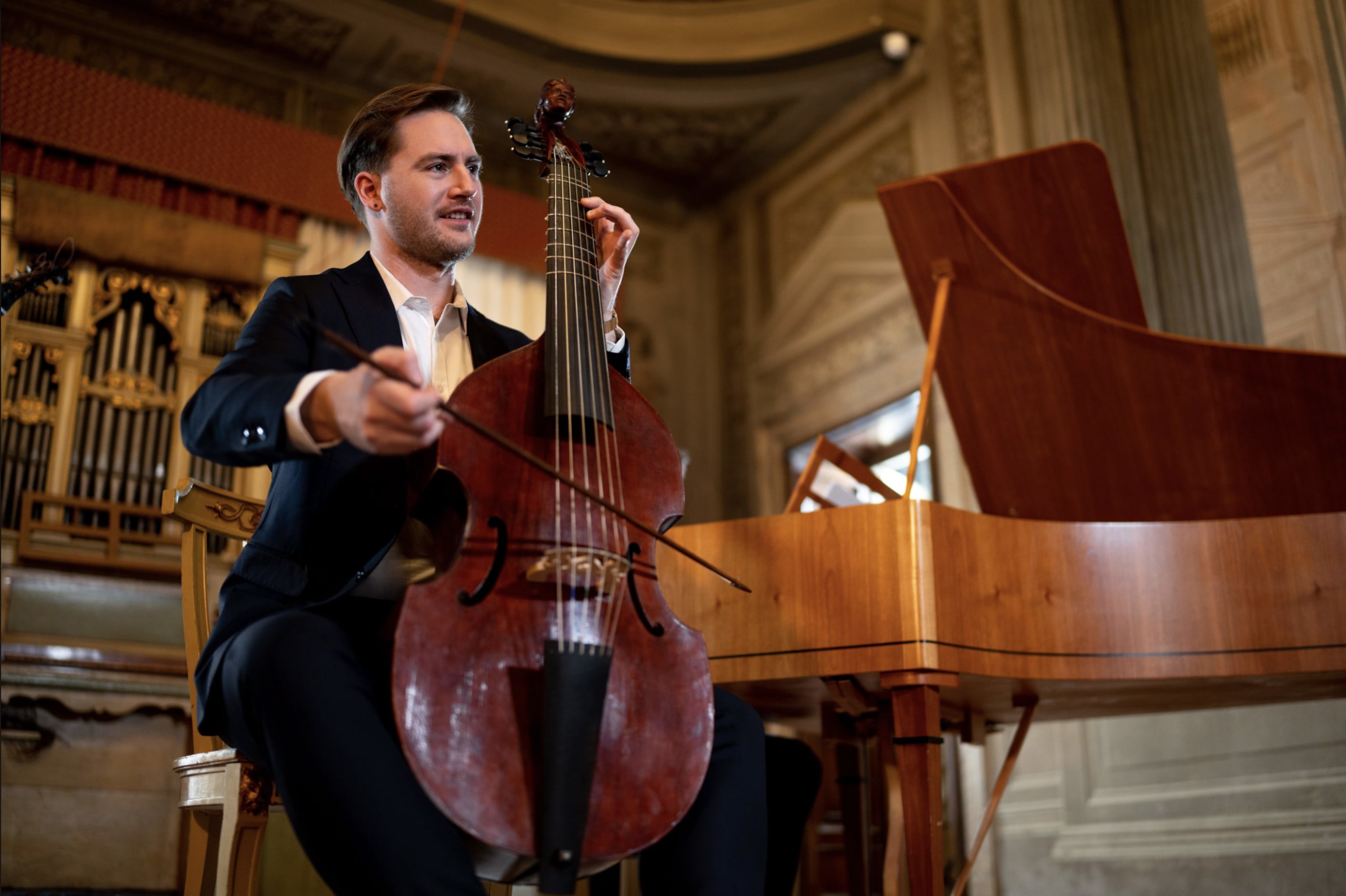
André Lislevand viola da gamba
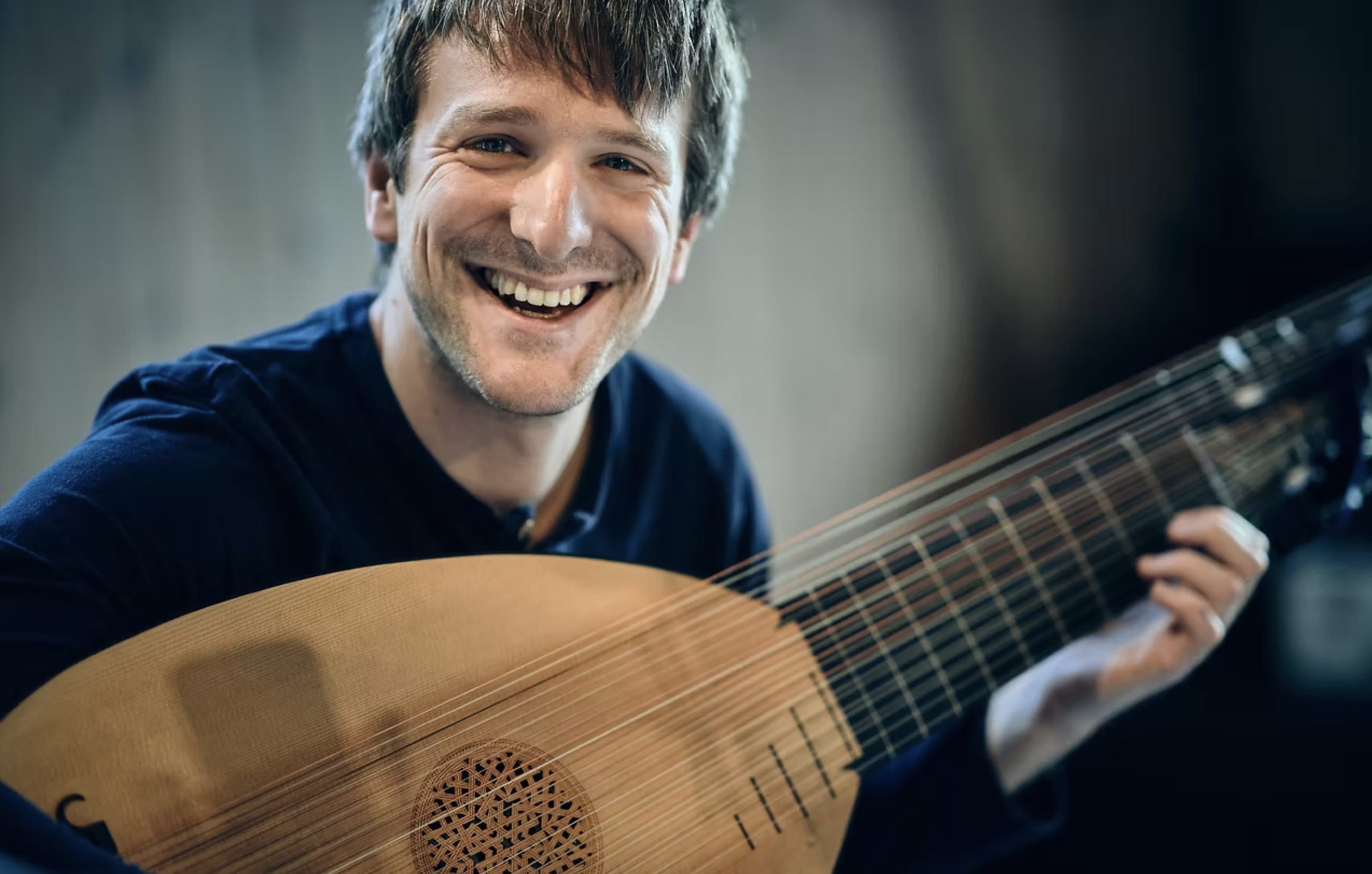
Jadran Duncumb lute
Works
Marin Marais (1656–1728)
From Pièces de viole, Livre II, Suite III. Pieces for viola da gamba, book 2, suite 3
22. Les Voix Humaines. The human voice
From Pièces de viole, Livre V, Suite I. Pieces for viola da gamba, book 5, suite 1
4. La MariéeTraditional folk tune from Valdres
Psalm no. 812 in Norsk salmebok, 2013
Se solens skjønne lys og prakt. The lovely sun has now fulfilled.
Text: Christian Scriver (German), Norwegian translation: Birgitte Christine KaasBiagio Marini (1594–1663)
From Arie madrigali et corenti, op. 3. Madrigal songs and corrente dances
23. RomanescaJohann Hieronymus Kapsberger (ca. 1580–1651)
From Libro quarto d’intavolatura di chitarrone. Fourth book of theorbo tablature
41. KapsbergerMarin Marais (1656–1728)
From Alcyone, third act
1. PreludeAntonio Vivaldi (1678–1741)
From Concerto for violin, strings and continuo, op. 8 no. 1, RV. 269 “La primavera” (“Spring”)
3. AllegroJean-Baptiste de Bousset (1662–1725)
From XIVme livre d’airs sérieux et à boire. 14th book of serious songs and drinking songs
Pourquoy, doux Rossignol. Why, sweet nightingaleJean-Baptiste de Bousset (1662–1725)
(assigned to Bousset, but uncertain origin)
J’avois crû qu’en vous aimant. I had believed that by loving youTraditional folk tune from Valdres
Fanteladda, springarMarin Marais (1656–1728)
From Pièces de viole, Livre IV, Suite IV. Pieces for viola da gamba, book 4, suite 4
6. Musette
7. MusetteNicola Matteis (ca. 1650–1713)
Suite
1. Sonata
2. Passaggio rotto
3. Adagio
4. Aria burlesca/scaramuccia
5. Caprice de chaconne
6. La vecchia sarabande o pur ciaconnaFrançois Couperin (1668–1733)
From Concert royeaux IV. Royal Concerto no. 4
1. Prélude
2. Forlane
Supported by