Beethoven & Thomas Mann
Opus 111
with Leif Ove Andsnes & Anders Danielsen Lie
A meeting of musical and literary masterpieces.
And Kretzschmar played all these stupendous transformations for us with hardworking hands, singing along very fiercely: "Dimdada", and shouting loudly over it all. "Chain of trills!" he yelled. "Fioriture and cadenzas! Do you hear convention abandoned? Here—language—is—no longer—purged of flourishes—rather flourishes—of the appearance of their subjective—self-composure—the appearance—of art is thrown off—for ultimately—art always throws off—the appearance of art. Dim—dada! Just listen, please, how here—the melody is overwhelmed by the weight of the chords' joints! It becomes static, monotone—two Ds, three Ds, one after the other-the chords do that—dimdada! And now pay close attention to what happens here—”
Why did Beethoven never write a third movement for his final piano sonata? Thomas Mann’s fictional character Wendell Kretzschmar devotes an entire lecture to the question in his 1947 novel Doctor Faustus. Kretzschmar plays the work for his students, shouting with excitement as he struggles to put the sublime qualities of Beethoven’s music into words.
With his command of language and keen ear for music, and with help from the philosopher Theodor Adorno, Mann came closer than most to describing the indescribable: capturing something of music’s greatness in a novel. Doctor Faustus has since become a favourite among music-loving readers. Perhaps the novel has also helped secure the sonata’s central place in the piano repertoire.
Of course, Beethoven’s music would have done perfectly well without Mann’s novel. The stormy passages of the first movement and the moving clarity and quiet grandeur of the second speak for themselves. Yet bringing these two masterpieces together reveals new dimensions in both. In this intimate concert, Artist in Residence Leif Ove Andsnes performs the sonata, while Anders Danielsen Lie reads excerpts from the novel.
So why did Beethoven never write a third movement? Few take seriously his own claim that he ‘did not have time’. After completing the sonata in 1822, he went on to finish Missa solemnis and several string quartets. Thomas Mann offers a more convincing explanation:
We had needed only to hear the piece, he said, to be able to answer the question ourselves. A third movement? A new beginning, after that farewell? A returnafter that parting? Impossible! What had happened was that the sonata had found its ending in its second, enormous movement, had ended never to return. And when he said, "the sonata," he did not mean just this one, in C minor, but he meant the sonata per se, as a genre, as a traditional artform—it had been brought to an end, to its end, had fulfilled its destiny, reached a goal beyond which it could not go; canceling and resolving itself, it had taken its farewell—the wave of goodbye from the D-G-G motif, consoled melodically by the C-sharp, was a farewell in that sense, too, a farewell as grand as the work, a farewell from the sonata.
Excerpts from Thomas Mann’s Doctor Faustus (1947), translated to English by John E. Woods (1997).
Language
Performed in Norwegian
Contributors
Leif Ove Andsnes piano
Anders Danielsen Lie reader
Works
Ludwig van Beethoven (1770–1827)
Piano sonata no. 32, op. 111
1. Maestoso – Allegro con brio ed appassionato
2. Arietta. Adagio molto semplice cantabileThomas Mann (1875–1955)
From Doctor Faustus
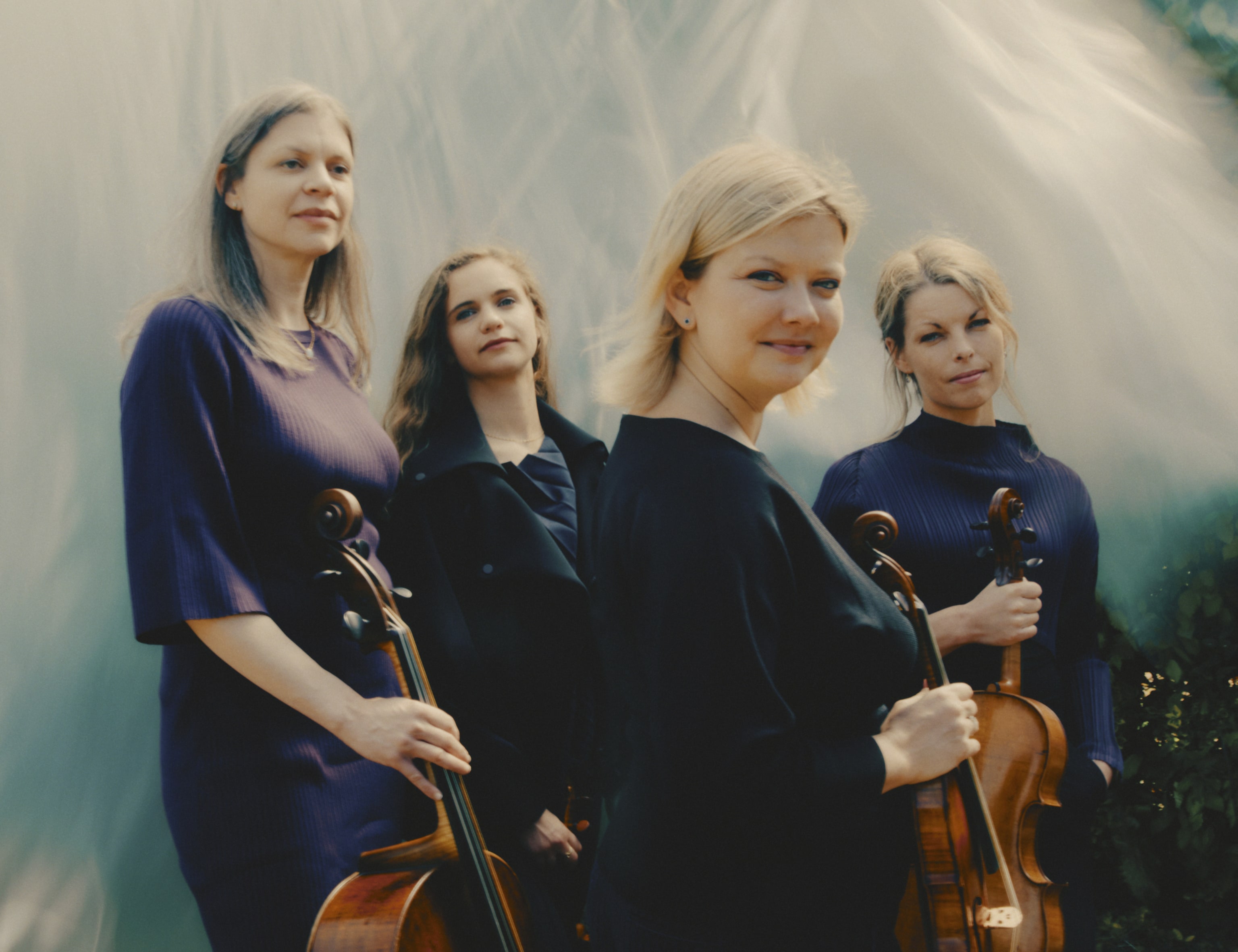
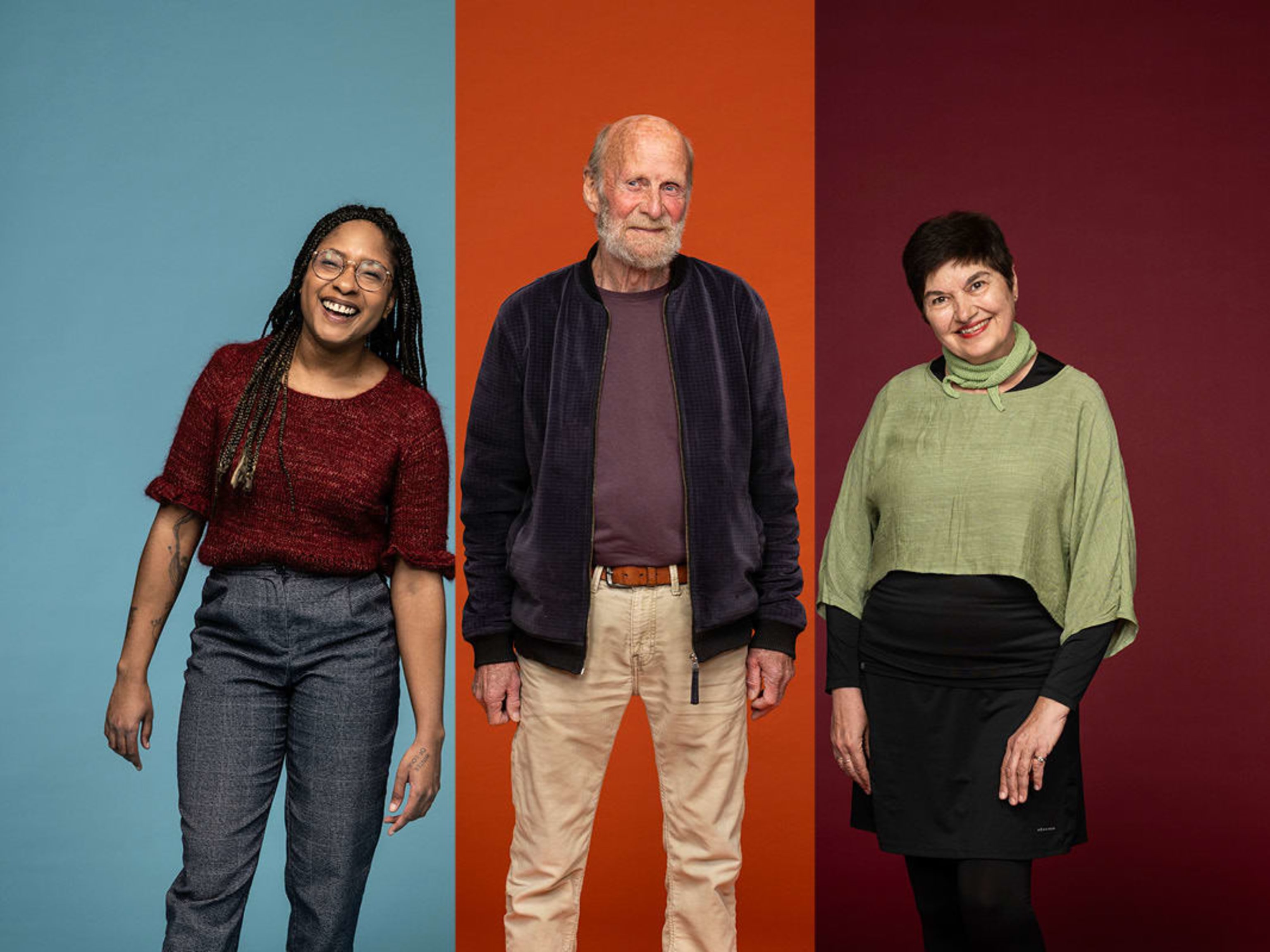
Image at top: Leif Ove Andsnes, photo: Thor Brødreskift, Anders Danielsen Lie, photo: Nina Djaerff
Supported by


Andsnes at the 2027 Festival
Orchestre Révolutionnaire et Romantique & Leif Ove Andsnes
with Grieg's piano concerto in A minor
Leif Ove Andsnes joins one of the world’s great period instrument orchestras for...
Leif Ove Andsnes & Chiaroscuro Quartet
Luigi Boccherini & Robert Schumann
Schumann and Boccherini with Andsnes on a fortepiano.
Piano marathon
Vexations by Erik Satie
A number of pianists take on Erik Satie's iconic piano work in a marathon concer...
Jubilee concert
with the Bergen Philharmonic Orchestra & Leif Ove Andsnes
The 1953 Festival reimagined in the 2027 opening concert.